
Blog
How to Store Research Peptides
Wondering how to store research peptides? Proper storage and handling are important considerations when working with research peptides. Environmental factors such as temperature, moisture, and light exposure can impact compound stability over time.
The information below is provided for general research reference only and does not replace laboratory protocols or institutional guidelines.
Why Proper Storage Matters – How to Store Research Peptides?
Peptides are composed of amino acid sequences that can be sensitive to environmental conditions. Improper storage may lead to:
- reduced stability
- degradation over time
- variability in experimental results
Maintaining appropriate storage conditions helps preserve peptide integrity for research applications.
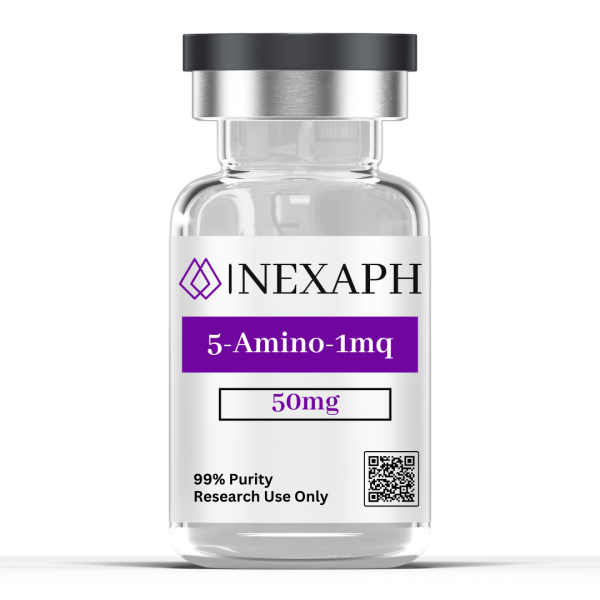
Common Storage Considerations for Research Peptides
While storage requirements can vary by compound, general considerations may include:
Temperature
Research peptides are often stored at low temperatures to help slow degradation processes. Temperature stability can be an important factor in maintaining compound integrity.
Moisture Control
Exposure to moisture may negatively affect peptide stability. Keeping peptides in sealed containers and minimizing exposure to humidity can help reduce degradation risks.
Light Exposure
Some peptides may be sensitive to light. Limiting exposure to direct or prolonged light may help preserve compound quality.
Lyophilized (Powder) Peptides
Many research peptides are supplied in lyophilized (freeze-dried) powder form, which supports stability during storage and transport.
General handling considerations may include:
- allowing vials to reach room temperature before opening
- minimizing repeated exposure to ambient air
- resealing containers promptly after access
Handling practices may vary depending on laboratory protocols.
Reconstituted Peptides
Some research settings involve reconstitution of peptides for experimental use. Storage considerations for reconstituted compounds may differ from lyophilized material.
Researchers should follow:
- institutional protocols
- laboratory SOPs
- compound-specific guidance when available
Nexaph provides general information for research reference only and does not provide usage or dosing instructions.
Labeling & Documentation
Proper labeling and documentation support research organization and traceability. Labels may include:
- compound name
- batch or lot number
- storage notes
- date received or prepared
Maintaining accurate records helps support experimental consistency.
Storage Guidance Disclaimer
Storage guidance provided by Nexaph is general information for research reference only. Storage requirements may vary depending on the compound, laboratory environment, and research protocols.
Researchers are responsible for following applicable guidelines and institutional requirements.
Related Research Resources
Research Use Disclaimer
All products sold by NEXAPH are intended for laboratory research use only.
They are not intended for human or veterinary use, diagnosis, treatment, or consumption.